Connecting Loyalty Tier Milestones to Bankroll Allocation in Diverse Game Categories
Written by Lars Frank · Nov 22, 2026
Connecting Loyalty Tier Milestones to Bankroll Allocation in Diverse Game Categories
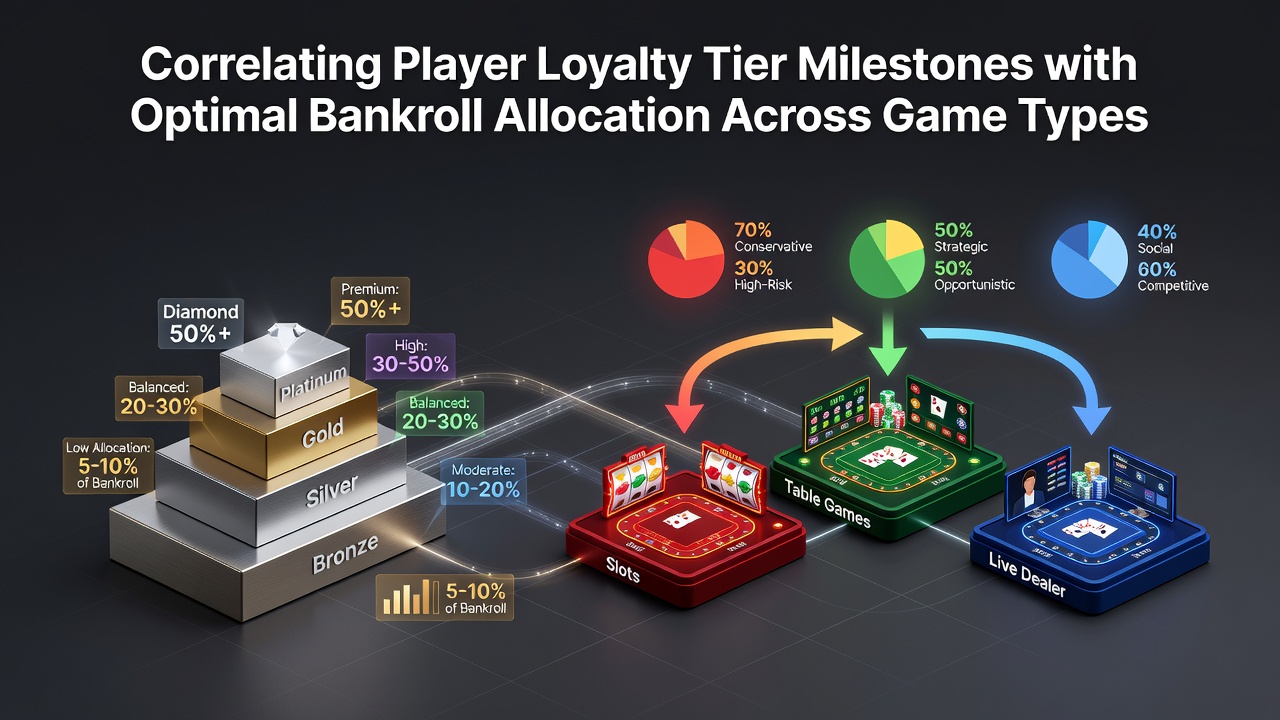
Player loyalty programs track cumulative activity through structured tiers that unlock incremental benefits, and operators correlate these milestones with recommended bankroll splits that vary by game volatility and session length. Data from regulatory filings shows that programs typically advance participants through bronze, silver, gold, and platinum levels based on points earned from wagers, with each tier requiring higher play volumes before additional perks activate.
November 2026 industry summaries indicate that operators in multiple jurisdictions now publish tier-specific bankroll guidelines that direct larger percentages toward lower-volatility options once players reach gold status. These guidelines emerge from aggregated play data rather than individual advice, and they emphasize dividing total funds into segments sized for the expected variance of each game type.
Tier Advancement Patterns and Initial Bankroll Division
Entry-level tiers often reward consistent small wagers across many sessions, which encourages participants to allocate modest daily amounts to high-frequency games such as video slots or electronic roulette. Observers note that once a player accumulates enough points for silver status, programs begin to highlight table games with moderate house edges, prompting a shift where bankroll portions move from slots toward blackjack or baccarat sessions that last longer per unit bet.
Studies conducted by the University of Nevada, Reno's gaming research group reveal that players crossing into gold tiers demonstrate measurable changes in session duration and game selection, with average bet sizes rising while total exposure per hour stays within predefined risk bands. These patterns appear across datasets collected from both land-based and digital platforms operating under Nevada Gaming Control Board oversight.
Game-Specific Allocation Adjustments at Higher Milestones
Platinum and diamond tiers frequently coincide with recommendations that reserve 40 to 60 percent of available funds for table games offering skill elements, such as poker or certain craps bets, because these formats allow longer playtime before bankroll depletion. The remaining allocation splits between progressive jackpot slots and live dealer titles, with exact percentages adjusted according to historical hit frequencies published in operator reports.
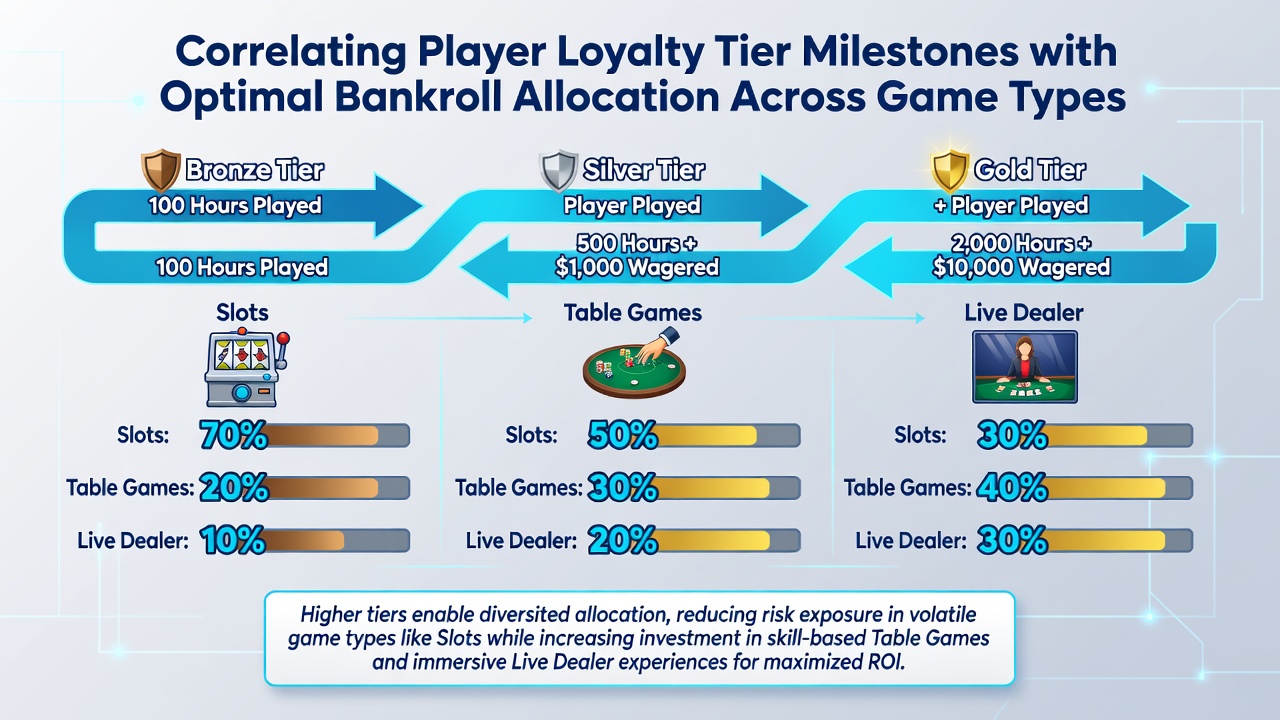
Take one dataset released by the American Gaming Association that tracked loyalty members over 18 months; participants who reached platinum status reduced their slot allocation from 70 percent to 35 percent while increasing table game exposure, and their average session length extended by 22 minutes without corresponding increases in hourly loss rates. Researchers attribute the change to the tier benefits that offset variance through cashback and free-play credits tied directly to tracked play.
Cross-Game Transitions and Point-Earning Efficiency
Operators design point structures so that table games and poker rooms generate fewer points per dollar wagered than slots, yet the higher average bets typical at elevated tiers compensate for the difference. Those who study these systems find that players at gold and above often rotate between game types within a single visit to maximize both tier progress and bankroll longevity.
Allocation models published in academic papers from the International Gaming Institute recommend reserving a fixed percentage for each category: 30 percent for slots, 45 percent for table games, and 25 percent for poker or sports wagering once a player surpasses the silver milestone. These ratios derive from volatility indexes calculated across thousands of recorded sessions rather than prescriptive strategy.
Seasonal Data Trends Observed in Late 2026
Figures released in November 2026 by Canadian provincial regulators show similar tier-linked allocation shifts among members of major loyalty networks, with platinum participants directing larger shares toward live poker rooms where skill influences outcomes. The reports emphasize that these adjustments occur automatically as players unlock new benefit levels, without requiring separate bankroll planning tools.
What's notable is how the correlation appears consistent across regions that maintain different tax and reporting structures, suggesting the underlying play patterns stem from program design rather than jurisdiction-specific rules.
Conclusion
Correlations between loyalty tier milestones and bankroll allocation emerge from large-scale play data compiled by operators and examined by academic and regulatory bodies. These patterns indicate that participants adjust game selections and fund distributions as they advance through program levels, with documented shifts toward table games and skill-based formats at higher tiers. The relationships remain descriptive, drawn from observed behavior across multiple markets and time periods, rather than individualized recommendations.